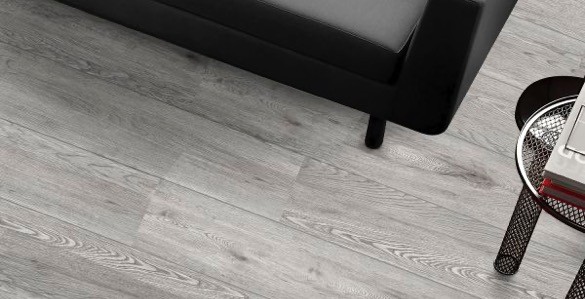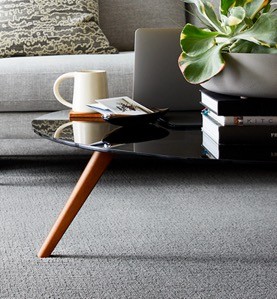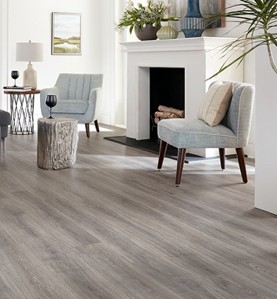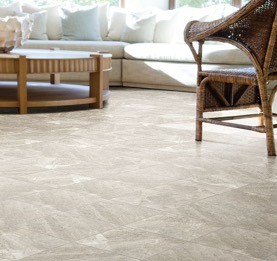





Low profile furniture is not the same as keeping a low profile in the common vernacular. Low profile furniture is much more literal in that the height of the furniture is less than you might find in more traditional furniture. Low profile furniture is typically used in modern and contemporary spaces.
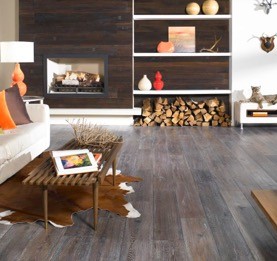
Modern and contemporary spaces may have a lower sight line in the room. Focal points like fireplaces may be lower to the ground as well. In this loft, the windows are very tall. The low profile seating fits underneath the windows and do not interrupt the view. Low profile furniture can also help ground a space with a vaulted ceiling as well as accentuate the vertical volume in the room.
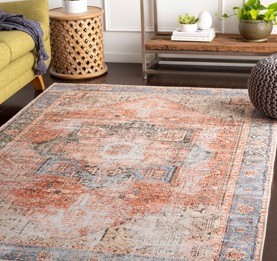
Low profile furniture is also typically more streamlined than traditional forms. Clean lines and a lack of flourishes and ornamentation make these pieces work well in lofts and mid-Century modern homes. A solid colored rug that adds texture is a great fit for a modern space. What details are left, a curved leg or button tufting on the back of the sofa, become stronger elements in the overall design.
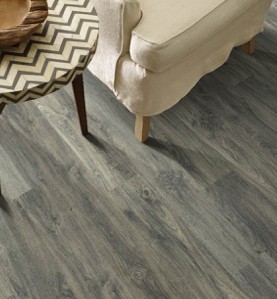
Keeping low profile furniture on the same plane is important to the overall unity of the design. In this living room the sofa, right side table and coffee table all stay below a certain line. You may not want table as shown on the left, as it is a little too high for the sofa. Having to reach up to set down your glass or book can be awkward.
Posted in Design and Decorating, Hints, Tips and Advice | Tagged decor, Decorating, decorating inspiration, Design, Design Tips, furnishing your home, furniture, Home, home decor, home furnishings, low profile furniture
We are so lucky to live in an age where great information is available in so many outlets. Today’s world of design is no longer the hidden secrets of design professionals. Tips, tricks and secrets of the trade can be found online on blogs and online magazines. This open transparency about the design business is a wealth of knowledge that wasn’t available ten years ago.
Design inspiration and information can be found through great blogs done by design professionals and amateur design lovers alike. You can find blogs on specific topics, like flooring or paint or furniture, or general information on projects all over the internet. There is so much information that the difficulty isn’t it, it is sorting through the bad to get to the good information.
If you are looking for design inspiration online, start with sources you already know. A valued retailer, beloved magazine and noted designer are all good places to start. Each of these blogs will probably have links to other resources or a blog roll of their favorite blogs and resources. Researching online can be a little bit like going down the rabbit hole—you don’t know where you’ll find yourself when you stop.
Out in the real world, design inspiration is all around us. You can find inspiration at a local hotel, restaurant or boutique. Don’t be afraid to ask for paint colors or snap pics of a piece of furniture or wallpaper you see when you are out and about. You never know where you’ll find inspiration for your next project.
Posted in Design and Decorating, Hints, Tips and Advice | Tagged decor, Decorating, decorating inspiration, Design, design inspiration, Design Tips, finding design inspiration, Home, home decor, how to find design inspiration, Room
If you are lucky enough to have a nook or small space off your kitchen for a eat-in dining area you’ll want to take full advantage it. Decorating a breakfast nook or corner is very similar to decorating a dining room. Given the small footprint and the fact that the nook is adjoined to the kitchen make the breakfast nook easy to decorate.
If your breakfast nook opens onto your kitchen, use the same paint and flooring as you do in the kitchen to make the two areas feel part of the same room. If you want to call more attention to the breakfast space, you can paint the walls a different color or add window treatments to draw the eye. An area rug under the table can make the space feel more its own.
A table and chairs are a must for the breakfast nook. You can do a smaller table and fewer chairs than you would in the dining room. Use a bistro table for two or a simple round table that can seat four if you have the room.
Like the dining room, you’ll want to have good lighting over the table for dining and other activities like homework or bill paying. A pendant light or simple chandelier can make the space feel more special.
If you have the room in the nook, use one wall to add a buffet or hutch for additional kitchen storage. Artwork or a mirror can finish off the space, giving it the same polished design as your dining room.
Posted in Hints, Tips and Advice, Kitchen and Bath, Uncategorized | Tagged breakfast, breakfast nook, decor, Decorating, decorating a breakfast nook, decorating inspiration, Design, Design Tips, kitchen decor, kitchen decor tips, kitchen decorating
This living room is a wonderful example of how accents can warm up a room. The stone on the floors and fireplace wall have a warm color, but stone is typically considered a cool material because it is cool to the touch. All the hard lines of stone and grout need softer accents to balance them. This room successfully brings in the softer accents to create a harmonious design.
The largest accent in the room is the area rug that centers the seating area in front of the fireplace. The rug doesn’t add a lot of color with its neutral tan and black palette. It does add a softer texture and a subtle pattern that breaks up the dominate design element in the room: the stone.
On the cream colored sofas are more soft accents that warm up the cool space. A plush throw in deep chocolate brown relates to the deep chocolate accent wall. Small brown pillows on the other sofa tie in with both the accent wall and the throw. Green accent pillows on the sofa add a rich pop of color without being too bold. Brown trim helps the green pillows relate to the accent wall and other earth tone accessories. Pillows are an inexpensive way to soften straight lines on furniture. They can also add color and texture to the room. Because a pillow is an easy accent to change out, you can switch them out seasonally. Throws are the same; change them from heavy to light as the seasons change
Posted in Area Rugs, Design and Decorating | Tagged accessories, area rugs, decor, Decorating, decorating inspiration, Design, Design Tips, flooring, furniture, Home, home accents, home decor, living room decor, Room, room accents
Perhaps you are a twentysomething just getting your first place. Or perhaps you are older but never really feel like a grown up. If this is you, when it comes to designing and decorating your living room the standard rules of formal and traditional living rooms probably won’t apply. For the young and the young at heart who don’t want or need a formal living room, we give you the living room you’re parents don’t have.
Using bright and bold colors is one way to give your living room a jolt of energy. This living room is a great example of a youthful design that is perfect for a gathering of friends as well as family. The walls are painted a welcoming green color with bolder accents of color on the area rug and bookshelves. Choosing a wall color that can change and grow as your tastes do is a good way to save yourself the time and energy of painting.
Adding bold color on easily changed items like accessories and area rugs is another good way to indulge in your current design whims. If this year’s favorite color is plum, add plum with a table lamp, storage basket or multicolor striped rug. Keep main elements like wood floors a more neutral shade. Investment pieces, like sofas and coffee tables, should also be in neutrals that you can dress up or down with colorful accents and pillows.
Creating a living room and home that reflects your personality is key no matter what your age.
Posted in Design and Decorating | Tagged accessories, color, Colors, decor, decor for young adults, decorating inspiration, Design, Design Tips, Home, home decor, living room decor, Room, Young person decor
Beautiful wood floors are sometimes too nice to cover up with area rugs and runners. Going bare on the floor can have pluses and minuses. Let’s take a look at reasons to leave your wood floors bare and then we’ll talk about when we should add rugs.
Bare wood floors are great for high traffic areas like kitchens and hallways. If you have a pet, especially a dog, bare floors might be a better option than rugs or carpet. The dirt that gets tracked in on shoes and paws can easily be swept and mopped up from bare wood floors. If you have a pet that sheds, it is easier to tackle pet hair on wood floors than area rugs and carpet where fur and other allergens can be trapped. For asthma sufferers or other allergies, bare wood floors leave no place for allergens and dirt to hide.
Those are a lot of the pros for leaving your floors bare. There are cons as well. Bare wood floors may leave your room feeling cold. Area rugs can add color and pattern as well as a soft texture underfoot. For stairs, a runner or carpeting can provide more traction for little feet and paws. Depending on the type of wood floor, pet claws may scratch or dent the wood and finish.
Thinking of going bare on your wood floors? There are both pros and cons to bare floors. It all comes down to what works best for you and your family.
So many of today’s big design trends are all about personalization of spaces. For most people, gone are the days when you had one style for your entire home that could easily be labeled as Traditional or Modern. Today’s interior design and decorating is more about a mix of styles. You may be Farmhouse with a touch of Contemporary or Traditional but with a Global or Ethnic edge. Kitchen designs should also reflect your own quirks.
Let’s look at the designs of this kitchen. This isn’t your standard builder kitchen design. In fact, most of what we can see is anything but typical. Colored cabinets in a pale blue are the foundation of this kitchen’s unique style. Having only lower cabinets opens up the space above the counter. Rod storage allows you to keep spices and cooking implements off the counter.
The counter and sink are not your standard granite and double sink. Instead this kitchen has wood countertops and a pair of round sinks. The sinks are under mounted, which is a big trend right now. The single gooseneck faucet can easily reach both sinks. Round sinks are more typical in a bathroom than in a kitchen.
The backsplash is a grid of square tiles in warm neutral beige. The color adds a bit of warmth to complement the wood of the countertop and the grid pattern feels modern. The simple square tiles are a break from traditional subway tiles or the popular mosaic tiles seen in many current kitchen designs.
Posted in Design and Decorating, Kitchen and Bath | Tagged decor, Decorating, decorating inspiration, Design, Design Tips, Home, home decor, kitchen, kitchen backsplash, kitchen decor, kitchen decorating, tile
Stone’s natural beauty and durability make it a smart choice for the bathroom. Stone can be used throughout the bathroom on the floor, counter, wall and in the shower. Stone in the shower is a beautiful design element whether large slabs or smaller tiles of stone are used. We’ve even seen river rock used on shower floors for an organic look.
Most types of stone can be used in the bathroom, including the shower. Slabs of marble can give both a traditional and contemporary look to a shower surround depending on the style of fixtures used. One inch square tiles made from stone can be used in a mosaic pattern or border. Both tumbled and polished stone can be used in combination for a border or pattern on either the floor or walls of the shower.
The slick surface of polished or honed stone is not ideal for the floor in a wet area as these surfaces can become slippery when wet. For floors tumbled stone that has a little bit of grip is a better choice. Tumble stone can be found in a number of different tile sizes. The smaller the tile, the more grout lines you’ll have, which can aid in making a surface less slippery. Mixing the finishes of the same type of stone in the shower will give you more visual and textural interest while maintaining a unified design in the small space. Just remember to take into consideration how slippery the stone might be when wet, both inside and outside the shower.
Posted in Bathroom, Tile and Natural Stone | Tagged decor, Decorating, decorating inspiration, Design, Design Tips, floor, flooring, Home, home decor, stone flooring, stone flooring in the bathroom, stone floors, stone mosiac, tumbled stone
Our love affair with wood floors is here to stay. While most of us think of boards and plank size when we think of wood floor options, there are two older options that are making a comeback with designers: herringbone and parquet. Parquet wood floors are composed of small squares that are made up of smaller pieces in a diamond pattern. Herringbone is a zig-zag pattern made up of narrow boards. Both add a lot of texture and pattern to a wood floor.
It seems parquet wood floors have gotten a little bit of a bad rap. Perhaps their use in city apartments and condos has had an effect on their popularity for homeowners. Parquet can be a less expensive option for wood floors but this doesn’t mean it lacks style. Parque flooring in an entry adds visual interest in a small space without encroaching on precious floor space.
Herringbone patterns are wildly popular right now in both fashion and home décor. Zig-zag mania and a love of chevron patterned anything have been hot trends on the runways and in homes this year. However, herringbone floors are anything but trendy. These wood floors recall French chateaus and English libraries. Beautiful antique herringbone floors have a gorgeous patina that highlights the pattern of the floor. New herringbone floors can be installed with narrow or wider planks depending on whether you want a traditional or contemporary looking floor.
The saying about what is old is new again definitely applies to these two patterned wood floors.
Posted in Hardwood | Tagged decor, Decorating, decorating inspiration, floor, flooring, Hardwood, hardwood flooring, herringbone pattern, Home, home decor, parquet, parquet floors, Room

More and more homes today have outdoor living space and indoor living space with the lines blurred between the two. Older homes may have a sunroom, screened porch or lanai. Newer homes have decks and patios with large glass doors dividing the outdoor space from the home’s interior. This blurring of lines between indoor and outdoor has given rise to a new generation of products for outdoor living. Included in these new indoor/outdoor products are weather resistant materials, carpets and furniture that can work both inside and outside the home. Among these new products are time tested and traditional materials like teak wood, wicker and tile that are home both indoors and out.
Tile is a wonderful material for a room that is more outdoors than indoors, like the sunroom in this picture. Stone or ceramic tiles are great for rooms that get a lot of traffic. Tile is durable, doesn’t fade in the sun like wood or laminate floors and comes in an almost infinite array of colors, patterns and sizes. This sunroom features marble tiles done in a traditional pattern inspired by the Mediterranean. Extending the same type of flooring from a porch or sunroom out onto the patio can make the two spaces feel like one.
As with flooring, rooms that blur the lines between indoor and outdoor can have the best of both worlds when it comes to furniture. If the space is protected from the elements, indoor furniture as well as outdoor furniture can be used to decorate.
Posted in Tile and Natural Stone | Tagged ceramic tile, decor, Decorating, decorating inspiration, Design, Design Tips, floor, flooring, flooring choices, Home, home decor, Indoor outdoor flooring, Room, tile